15 February 2026
Best Cars Under £10,000 in the UK: BMW 3 Series, 5 Series, Golf & Polo Buying Guide
Looking for the best used car under £10,000? We break down four of the most popular choices — BMW F30 3 Series, F10 5 Series, VW Golf Mk7 and Polo — covering which engines and trims to buy, what to watch out for, and how to get the most car for your money.

Best Cars Under £10,000 in the UK
Ten thousand pounds used to get you a tired runabout with questionable history and even more questionable paintwork. Not anymore. Thanks to depreciation doing the heavy lifting, £10,000 now opens the door to genuinely impressive cars — including premium German saloons and some of the best hatchbacks ever made.
Here are four cars that offer incredible value for money under that magic £10k mark, what to look for when buying, and how to avoid the common pitfalls.
BMW F30 3 Series (2012–2019)
The F30 3 Series is arguably the best all-round car on this list. It won Parkers' Best Used Car award in 2025, and it's easy to see why. It blends premium build quality, genuinely engaging driving dynamics, and a wide range of engines into a package that still looks sharp on the road today — even the earliest examples.
For under £10,000, you're looking at 2012–2016 models with anywhere from 50,000 to 100,000+ miles. The sweet spot for value is a 320d in SE or Sport trim with a full service history and around 60,000–80,000 miles on the clock.
What's available under £10k
The vast majority of F30s on the used market at this price are 320d models, and for good reason. The 2.0-litre four-cylinder diesel produces 184bhp, returns over 50mpg on a good run, and has enough torque to make motorway driving effortless. It's the sensible choice, and it was by far the most popular engine when new.
If you prefer petrol, the 320i uses a 2.0-litre turbocharged four-cylinder with 184bhp. It's smooth and responsive, though not quite as economical as the diesel. Earlier cars also offered the 316i and 318i with less power for lower insurance and running costs.
For something with a bit more punch, higher-mileage 330d models occasionally dip below £10,000. The 3.0-litre six-cylinder diesel produces 258bhp and delivers a genuinely addictive blend of effortless acceleration and surprising fuel economy.
The eight-speed automatic gearbox is superb — one of the best in the business — and it's worth seeking one out over the six-speed manual, particularly if you do a lot of motorway miles.
Trims to look for
- SE — The base trim, but well-equipped with leather seats, climate control, parking sensors, and BMW's iDrive infotainment system. Great value.
- Sport — Adds sportier styling touches and 18-inch alloy wheels. A subtle upgrade over SE.
- M Sport — The most desirable trim with a body kit, sports seats, M Sport steering wheel, sports suspension, and 18-inch M alloys. Commands a premium, so expect higher mileage at this price point.
What to watch out for
- Timing chain issues — The N20 four-cylinder petrol engine is known for timing chain wear, particularly on cars that haven't had regular oil changes. You can check the chain by removing the oil filler cap and listening for rattle on cold start. If it sounds rough, walk away.
- Rear differential noise — A common BMW issue caused by infrequent diff fluid changes. Listen for a whining or humming from the rear when test driving.
- Starter motor problems — If the car hesitates or struggles to turn over, the starter motor may be on its way out.
- Diesel DPF and EGR issues — If the car has been used exclusively for short runs, the DPF (diesel particulate filter) may be clogged. Look for warning lights and rough running.
- Full service history is essential — BMW's variable servicing means intervals can be long (15,000–20,000 miles), so check that every service has been completed on time with the correct oil specification.
Why it's worth it
The F30 3 Series gives you a genuine premium driving experience for the price of a well-specced Fiesta. It's spacious enough for a family (480-litre boot), comfortable on long journeys, and — crucially for a BMW — still fun to drive on a good B-road. With thousands available on the used market, you can afford to be picky.
BMW F10 5 Series (2010–2017)
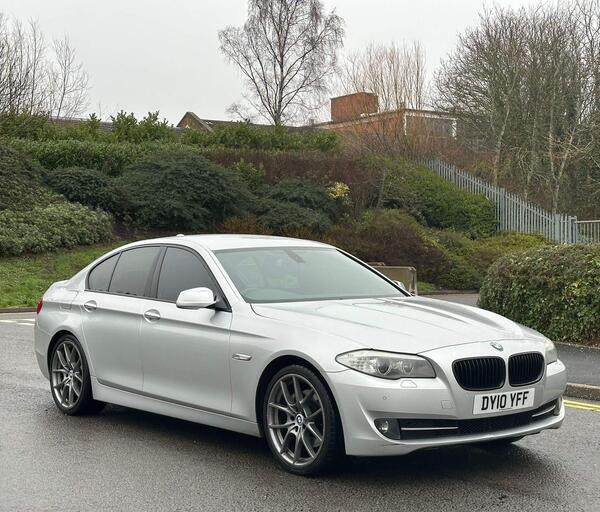
If you want maximum car for your money, the F10 5 Series is hard to beat. This is a full-sized executive saloon that was north of £35,000 when new, and you can now pick up a well-maintained example for well under £10,000. That's an astonishing amount of car for the money.
The F10 shares its platform with the 7 Series, so rear passenger space is genuinely impressive. The cabin is beautifully finished with quality materials, and standard equipment is generous — even entry-level SE models come with leather seats, dual-zone climate control, parking sensors, and BMW's iDrive system.
What's available under £10k
At this price point, you're predominantly looking at 520d models from 2010–2014, typically with 70,000–120,000 miles. The 520d was the fleet favourite for good reason — its 2.0-litre four-cylinder diesel produces 184bhp, returns up to 57mpg in standard form (62mpg in EfficientDynamics spec), and is remarkably refined for a four-cylinder engine in a car this size.
Higher-mileage 530d models (3.0-litre six-cylinder, 258bhp) occasionally appear under £10k, offering a significant step up in performance and refinement. The straight-six diesel is one of BMW's finest engines — creamy smooth, hugely torquey, and still capable of 40mpg+.
Petrol models are rare at this price (only about 5% of F10s sold in the UK were petrol), but the 528i with its 2.0-litre turbo four-cylinder producing 242bhp is a rewarding alternative if you want to avoid diesel entirely.
Trims to look for
- SE — Well-equipped as standard with leather, 17-inch alloys, iDrive, cruise control, and parking sensors.
- M Sport — Sports seats, 18-inch alloys, firmer suspension, body kit, and a sportier interior. The most sought-after trim.
- Luxury — Chrome-heavy styling, additional connectivity features, and 18-inch alloys. Less common but very comfortable.
What to watch out for
- Oil consumption on N63 V8 engines — Not relevant if you're buying a 520d, but worth knowing if you stumble across a 550i at this price.
- Suspension wear — At the mileages you'll see under £10k, bushings and dampers may need attention. Budget for potential suspension work, especially on M Sport models with firmer settings.
- iDrive screen failure — The central screen can develop pixel issues or fail entirely on older models. Check it works properly during your test drive.
- Aluminium body panels — While not rust-prone in the traditional sense, the aluminium panels can suffer from paint defects. Look for bubbling or discolouration.
- Check for flood damage — High resale values when new made the 5 Series a target for accident-damaged salvage rebuilds. Always get an HPI check, and look for signs of water staining underneath or in the engine bay.
- ULEZ compliance — Most F10 diesels from 2015 onwards are Euro 6 compliant and ULEZ-friendly. Earlier cars may not be — check before buying if you drive in London or other clean air zones.
Why it's worth it
The F10 5 Series is arguably the most car you can get for under £10,000. It's comfortable enough to cover hundreds of motorway miles without fatigue, spacious enough for a family of four with luggage, and still composed and enjoyable to drive. If you're after a big, comfortable cruiser that feels like it should cost three times the price, this is the one.
Volkswagen Golf Mk7 (2013–2020)
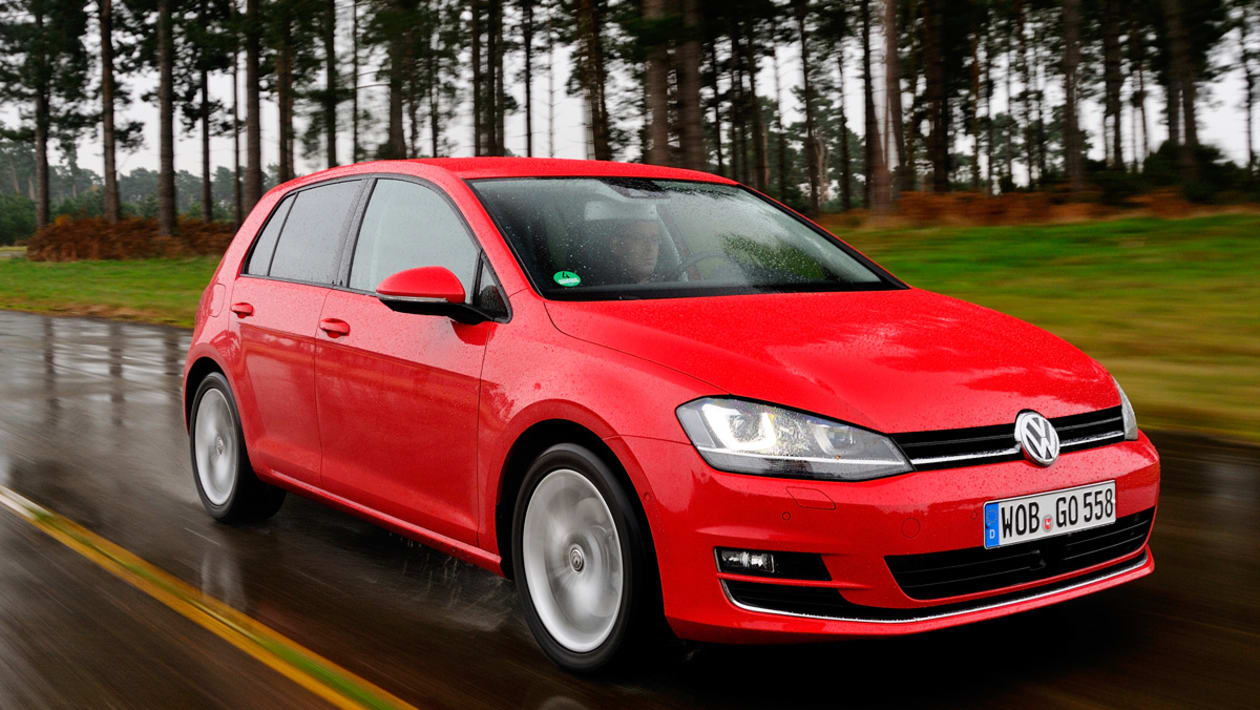
The Mk7 Golf is widely regarded as one of the best all-round hatchbacks ever made. It does everything well — comfortable, refined, practical, efficient, well-built — and wraps it all in a classy, understated package that never goes out of style.
For under £10,000, you're looking at 2013–2017 models, which gets you pre-facelift Mk7s and, if you're lucky, an early Mk7.5 (the facelifted version from 2017 with updated styling and infotainment). There's an enormous selection on the used market, so you can afford to be patient and find exactly the right car.
What's available under £10k
The 1.4 TSI (122bhp/148bhp) is the pick of the petrol engines on earlier cars — smooth, punchy, and capable of decent fuel economy. On later models, the 1.5 TSI Evo (130bhp) replaced it and is even more efficient, claiming nearly 48mpg under WLTP testing. For the most budget-friendly option, the 1.0 TSI (85bhp/110bhp) three-cylinder is surprisingly capable for everyday driving, though it can feel a bit breathless on faster roads.
Diesel buyers are well-served by the 1.6 TDI (105bhp/115bhp) for maximum economy — earlier versions claim up to 74mpg under the old NEDC test. The 2.0 TDI (150bhp) is the better all-round diesel, with more performance for only a marginal drop in fuel economy.
Both the six-speed manual and seven-speed DSG automatic are available. The DSG is slick and well-suited to the Golf's character, though it does require regular fluid and filter changes (every 40,000 miles) which some owners overlook.
Trims to look for
- S — Basic but still decent, with air conditioning, touchscreen, DAB radio, and Bluetooth.
- Match / Match Edition — Adds sat nav, front and rear parking sensors, adaptive cruise control, and a larger touchscreen. The sweet spot for most buyers.
- GT / GT Edition — Sports suspension, larger alloys, upgraded interior trim, and more technology.
- R-Line — Sporty styling package with R-Line bumpers and badges, but the standard drivetrain underneath.
For hot hatch fans, the GTI (220bhp/230bhp) starts to appear at the top end of the £10k budget for higher-mileage 2014–2015 examples. It's a phenomenal car, but expect to compromise on mileage at this price.
What to watch out for
- Timing chain stretch — Early 1.4 TSI engines can suffer from stretched timing chains, which in the worst case can destroy the engine. Listen for a chattering or rattling noise on cold start that fades after a few seconds. If you hear it, walk away. VW was proactive with warranty repairs, so many cars have already been fixed — check the service history for evidence.
- DSG gearbox issues — VW has largely resolved the DSG reliability problems that plagued earlier generations, but some early Mk7 cars can still exhibit harsh 1-2 upshifts when cold. Ensure the fluid and filter have been changed at the correct intervals.
- Rear damper weeping — A known issue where the rear dampers begin leaking fluid. It's an inexpensive fix but worth checking — look for oil residue around the rear struts.
- Water pump failure — Some 1.4 and 1.5 TSI engines can experience water pump failures. Overheating or coolant loss should be immediate red flags.
- Infotainment glitches — The Mk7's infotainment system can occasionally freeze or lag. A software update usually resolves this, but check the system responds properly during your viewing.
Why it's worth it
The Golf Mk7 is the complete package. It's classier inside than most cars costing twice the price, drives with a composure that few hatchbacks can match, and offers enough practicality for everyday family life (380-litre boot, comfortable rear seats). It's also one of the safest cars in its class, with a five-star Euro NCAP rating and seven airbags as standard. If you want one car that does everything well, this is it.
Volkswagen Polo
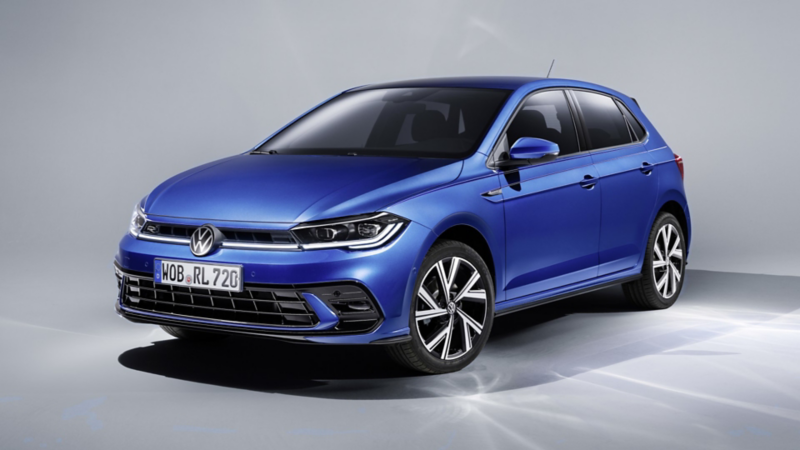
The Polo has always lived in the Golf's shadow, but that's actually part of its appeal — you get much of the Golf's quality, refinement, and build solidity in a smaller, more affordable package. Under £10,000 gets you a wide choice of generations, from the Mk5 (2009–2017) through to early examples of the current Mk6 (2018 onwards), which grew significantly in size and now rivals the Golf Mk5 for interior space.
What's available under £10k
Mk5 Polo (2009–2017) — The bulk of your options at this price. It's a compact, well-built supermini with a range of small petrol and diesel engines. The 1.2 TSI (90bhp/110bhp) is the pick of the range — it's smooth, economical, and has enough pep for town and motorway driving. The naturally aspirated 1.0-litre and 1.2-litre engines are adequate for urban driving but can feel strained at higher speeds. Diesel options include the 1.4 TDI and 1.6 TDI for those doing big miles.
Mk6 Polo (2018 onwards) — This is the one to aim for if budget allows. It's a significant step up from the Mk5 in every way — bigger, more refined, better equipped, and with a much more modern interior. The 1.0 TSI (95bhp) is the engine to have, offering a perfect balance of performance and efficiency. Early 2018–2019 examples with moderate mileage are starting to appear under £10,000, and they represent excellent value.
Trims to look for
Mk5:
- Match / Match Edition — The sweet spot with touchscreen, parking sensors, and cruise control.
- SEL — Top-spec with more equipment and nicer interior finishes.
- R-Line — Sporty styling package.
- Beats Edition — Upgraded sound system, popular with younger buyers.
Mk6:
- SE — Well-equipped with 8-inch touchscreen, Apple CarPlay/Android Auto, and air conditioning.
- R-Line — Sporty exterior styling with the standard efficient drivetrain.
What to watch out for
- Mk5 DSG issues — The seven-speed DSG on the Mk5 Polo can be troublesome. Jerky low-speed behaviour and hesitant gear changes are signs of a unit that needs attention. Fluid and filter changes should have been done every 40,000 miles.
- Coil pack failures — The 1.2 TSI engine can suffer from ignition coil pack failures, causing misfires and rough running. It's an inexpensive fix but should be flagged during a test drive.
- Timing chain (1.2 TSI) — Similar to the Golf, the chain tensioner can fail on earlier cars. Listen for rattling on cold start.
- Air conditioning compressor — Can fail on Mk5 models, and it's not cheap to replace. Make sure the A/C blows cold during your test drive.
- Interior trim wear — The Mk5's interior, while well-built, can show wear on high-mileage cars, particularly on the steering wheel and seat bolsters.
Why it's worth it
The Polo gives you Volkswagen quality and reliability in a package that's easier to park, cheaper to insure, and more economical to run than a Golf. If you mostly drive in town and don't need the extra space of a larger hatchback, the Polo is the smarter financial choice. The Mk6 in particular feels like a genuinely grown-up car — you'd never feel short-changed driving one every day.
Side-by-Side Comparison
| Feature | BMW F30 3 Series | BMW F10 5 Series | VW Golf Mk7 | VW Polo |
|---|---|---|---|---|
| Years available under £10k | 2012–2016 | 2010–2014 | 2013–2017 | 2014–2019 (Mk5/Mk6) |
| Best engine choice | 320d (2.0 diesel) | 520d (2.0 diesel) | 1.4 TSI / 1.5 TSI (petrol) | 1.0 TSI (petrol) |
| Fuel economy | 50–55 mpg (diesel) | 50–62 mpg (diesel) | 45–55 mpg (petrol) | 50–58 mpg (petrol) |
| Boot size | 480 litres | 520 litres | 380 litres | 280–351 litres |
| Insurance groups | 20–35 | 31–45 | 8–22 | 1–12 |
| ULEZ compliant? | 2015+ diesels (Euro 6) | 2015+ diesels (Euro 6) | All petrols; 2015+ diesels | All petrols; 2015+ diesels |
| Best for | Premium driving experience | Maximum car for the money | Best all-rounder | City driving and low costs |
General Buying Tips for Cars Under £10,000
Always get an HPI check — At this price point, you need to verify the car hasn't been stolen, written off, or has outstanding finance. It costs around £10–£20 and could save you thousands.
Insist on full service history — A well-maintained car with stamps in the book is worth significantly more than one without. Missing services can mean missed problems — and for cars like the BMWs, skipped oil changes can lead to expensive engine damage.
Budget for maintenance, not just the purchase price — A £9,000 BMW with a £1,500 service bill in the first year isn't really a £9,000 car. Factor in upcoming costs like tyres, brakes, and servicing before committing. German cars in particular tend to have higher parts and labour costs than their Japanese or Korean equivalents.
Check MOT history online — The DVLA's free MOT history checker shows every advisory, failure, and recorded mileage going back years. It's one of the best free tools available to spot discrepancies or recurring problems.
Test drive properly — Don't just potter around the block. Get the car up to motorway speed, drive over speed bumps, brake firmly, and listen for any unusual noises. A thorough 20-minute test drive will reveal more than an hour of visual inspection.
Don't rush — There are thousands of each of these cars on the used market. If something doesn't feel right, walk away. The right car at the right price will come along.
Need Help Finding Your Next Car?
Searching through hundreds of listings, arranging viewings, checking histories, and negotiating prices takes time — and getting it wrong can be expensive. If you'd rather have an expert handle the hard work and make sure you get the best deal, we're here to help.
Get in touch at [email protected] and let us find the right car for you.